🧊 Hire through Track What Matters and process $10,000+ in payments to receive a free YETI Tundra 35 cooler — a $295 prize. Learn more →
Get My Fit →
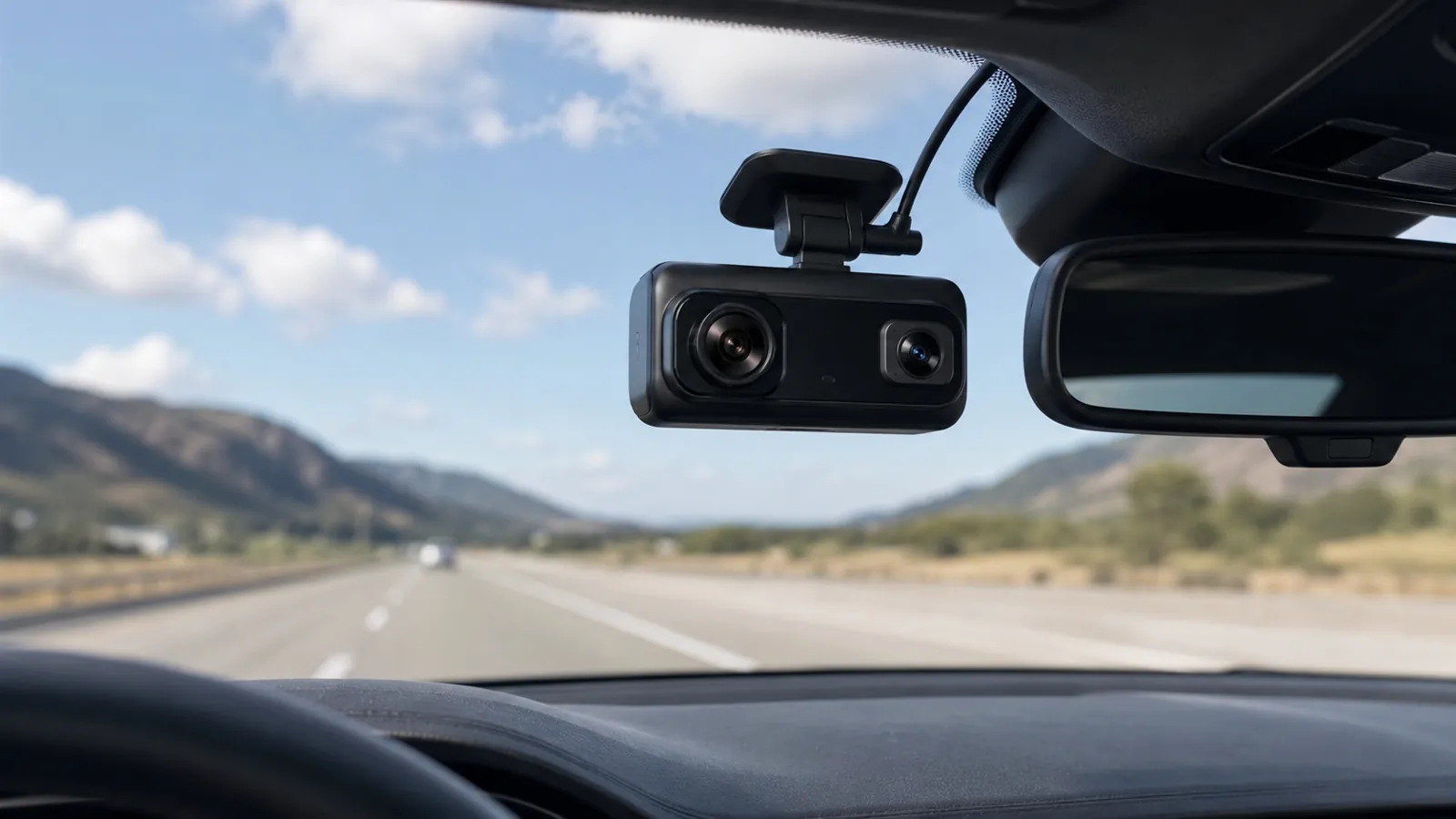
Windshield-mounted fleet dashcam
Home Fleet Dashcams AI Dashcams Explained
Dashcams & Safety

AI Fleet Dashcams Explained

What AI-powered dashcams actually do, how they differ from standard cameras, and when the additional cost is justified for your fleet.

Quick Answer

AI dashcams automatically detect and clip safety events — phone use, hard braking, tailgating, fatigue — without manual footage review. They proactively coach drivers and reduce insurance premiums by 10–30% in most deployments. For commercial fleets with 5+ vehicles, AI dashcams typically pay for themselves within 12–18 months. See top AI dashcam picks →

1

What makes a dashcam 'AI-powered'?

A standard dashcam records video to a local memory card. You get footage, but only if you go looking for it. An AI dashcam processes video in real time on the device itself — using computer vision models to identify specific events as they happen: a driver glancing at their phone, following too closely, braking harshly, or showing signs of fatigue. When the AI detects an event, it automatically clips and uploads that short video segment to the cloud, tags it with location and time data, and adds it to the driver's safety record. No one has to watch hours of footage to find problems. The AI surfaces them instantly.
2

What events do AI dashcams detect?

The specific event library varies by platform, but most AI dashcams can detect:
  • Distracted driving — eyes off the road for more than 2 seconds
  • Phone use — holding or glancing at a handheld device
  • Hard braking, acceleration, and cornering — triggered above configurable G-force thresholds
  • Tailgating / following distance violations
  • Driver fatigue — microsleep, head nodding, and drowsiness indicators
  • Seatbelt violations
  • Forward collision risk
  • Unauthorized driver — face not matching enrolled driver profiles
Lytx and Samsara have the most extensive event libraries. GPS Insight covers the most operationally impactful events for commercial fleet safety.
3

How do AI dashcams reduce fleet insurance costs?

Insurers price fleet premiums based on risk. AI dashcams reduce risk in two ways: (1) Proactive prevention — real-time coaching alerts change driver behavior before accidents occur. Fleets deploying AI dashcam coaching programs consistently report 20–40% reductions in harsh driving events within 90 days. Fewer incidents mean fewer claims and lower premiums at renewal. (2) Reactive exoneration — when accidents do occur, forward-facing footage often exonerates your driver from false or inflated liability claims, reducing settlement costs significantly. Most fleet operators report recovering dashcam hardware and subscription costs within 12–18 months from insurance savings alone.
4

What is the difference between AI dashcams and standard dashcams?

Standard dashcams record everything but do nothing with the footage automatically. Reviewing incidents requires manually downloading and watching video — a significant labor cost for larger fleets. AI dashcams eliminate manual review: events are automatically detected, clipped, uploaded, and added to driver safety profiles. Fleet managers see a feed of flagged events rather than raw footage archives. The practical difference is enormous at scale — a 50-vehicle fleet using standard dashcams would need someone watching footage daily to get any coaching value. The same fleet with AI dashcams surfaces every coached event automatically.
5

Which AI dashcam platforms should you consider?

  • GPS Insight — Best overall for fleets wanting dashcams integrated with GPS tracking, ELD, and fleet management in one platform.
  • Lytx — The specialist safety platform with the deepest AI event library and lowest false positive rate. Best for safety-program-driven operations.
  • Samsara — Best for large enterprise fleets already in the Samsara ecosystem. Industry-leading hardware quality.
  • Motive — Strong dashcam + ELD combination for trucking and compliance-heavy fleets.
6

What should you ask vendors before buying AI dashcams?

Key questions before committing:
  • • How many events does the AI detect, and what is the false-positive rate?
  • • Is in-cab (driver-facing) detection included, or is the primary camera road-facing only?
  • • How long is cloud footage retained, and is retrieval included in the monthly fee?
  • • What is the process for reviewing and coaching drivers on flagged events?
  • • How is the privacy policy structured for in-cab footage — who can access it and under what circumstances?
  • • What hardware is required, and is it proprietary to the platform (lock-in) or interchangeable?

Common Questions

What events do AI dashcams detect?

AI dashcams detect distracted driving, phone use, harsh braking and acceleration, tailgating, driver fatigue, seatbelt violations, and forward collision risk. Lytx and Samsara have the most extensive event libraries. GPS Insight covers the most impactful commercial fleet safety events.

Do AI dashcams record all the time?

Most AI dashcams record continuously to a local SD card (looping over older footage) and automatically upload short clips to the cloud when a safety event is detected. Manual retrieval is available for any footage on demand. Cloud retention varies by platform — typically 30–90 days for event clips.

How accurate are AI dashcam detections?

False positive rates vary by platform. Lytx is recognized for the lowest false positive rate, using a human review layer before coaching notifications are triggered. Samsara and GPS Insight use AI filtering to reduce false positives. All platforms have configurable sensitivity thresholds.

Related

Find the right dashcam platform for your fleet

Take the quiz to get matched based on your fleet size, safety priorities, and current GPS platform.