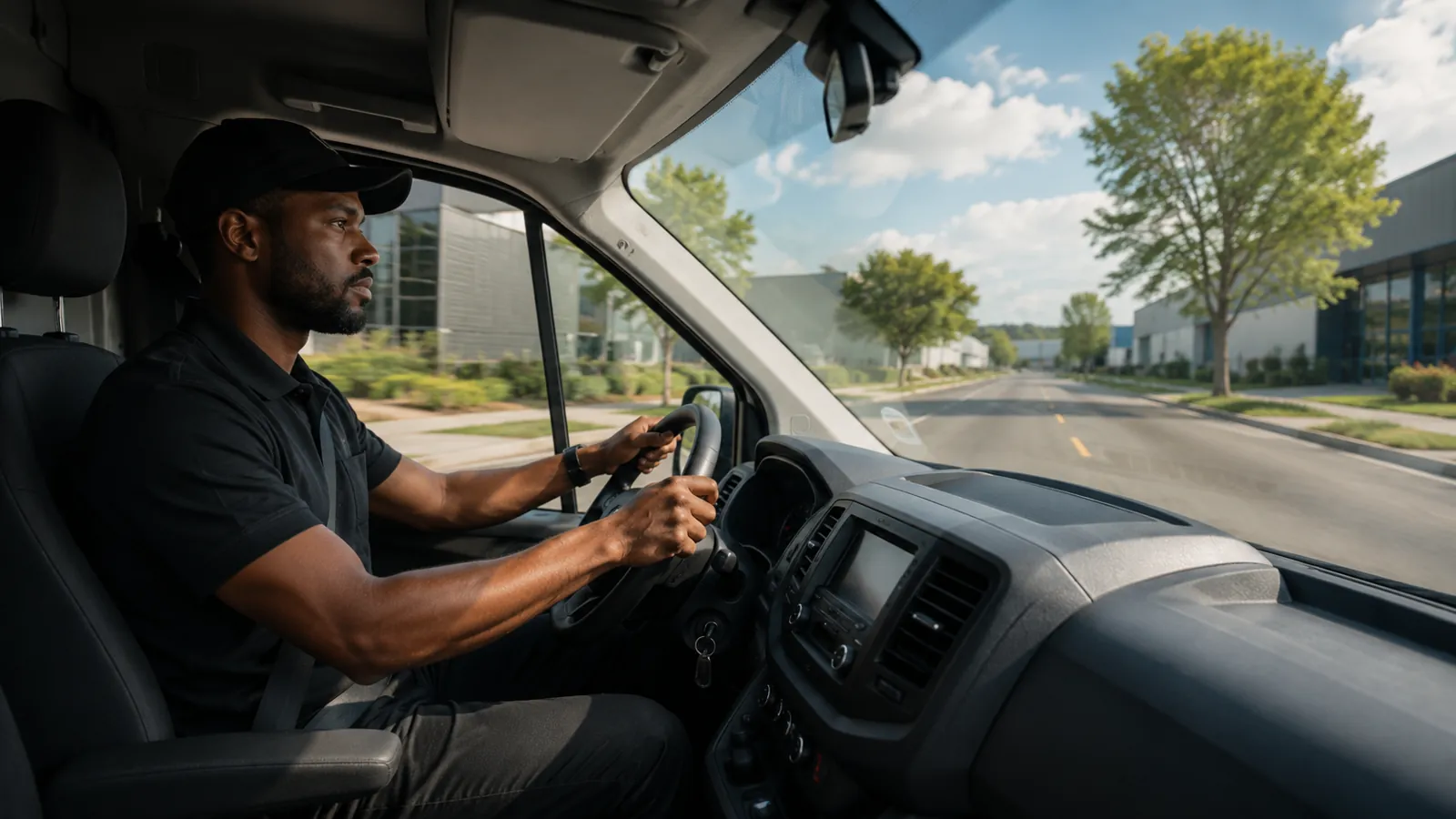
Which camera configuration does your fleet actually need? The practical difference between road-facing and in-cab cameras — and how to decide.
Forward-facing dashcams record the road ahead — great for accident evidence, protection from false claims, and road condition footage. Dual-channel dashcams add an in-cab driver-facing lens that enables AI detection of phone use, fatigue, and distracted driving. If your goal is accident protection only, forward-facing is sufficient. If your goal is driver safety coaching and insurance premium reduction, dual-channel is significantly more effective. Most commercial fleets with 10+ vehicles benefit from dual-channel.
| Feature | Forward-Facing | Dual-Channel |
|---|---|---|
| Records road ahead | ✓ | ✓ |
| Records driver/cab | — | ✓ |
| Accident evidence | ✓ | ✓ |
| Driver behavior detection | — | ✓ |
| Phone use detection | — | ✓ |
| Fatigue/drowsiness detection | — | ✓ |
| Driver coaching workflow | Limited | ✓ |
| Insurance premium reduction | Moderate | High |
| Typical monthly add-on cost | $10–$15/vehicle | $18–$30/vehicle |
| Driver privacy concerns | Low | Higher — disclosure required |
Forward-facing cameras are the right starting point if your primary concern is accident protection — not driver behavior coaching. Use cases where forward-facing is sufficient:
Forward-facing cameras from platforms like GPS Insight and Samsara still provide significant value — particularly in accident exoneration.
Dual-channel cameras are worth the additional cost when driver behavior improvement is the goal:
Dual-channel AI cameras from Lytx, Samsara, and GPS Insight surface actionable safety events automatically — no manual footage review required.
Driver resistance to in-cab cameras is the most common implementation challenge. Best practices:
Most driver resistance fades within 60 days of deployment, particularly after the first incident where footage protects a driver.
Requirements vary by state, but best practice is always written disclosure to employees before deployment. Most states require notice of workplace monitoring. A clear privacy policy limiting who can access in-cab footage significantly reduces driver resistance and legal risk.
Dual-channel cameras deliver significantly more insurance impact. In-cab AI detection enables documented safety coaching programs, which insurers reward at renewal. Forward-facing cameras help with accident exoneration but do not generate the proactive safety data that produces premium discounts.
Most platforms allow you to upgrade hardware from forward-facing to dual-channel at any point. Some vendors include both lenses in the same hardware unit with dual-channel activation as a software/subscription upgrade. Ask about upgrade paths before committing to forward-facing only.
Take the quiz to get matched to the right platform and camera setup for your fleet.