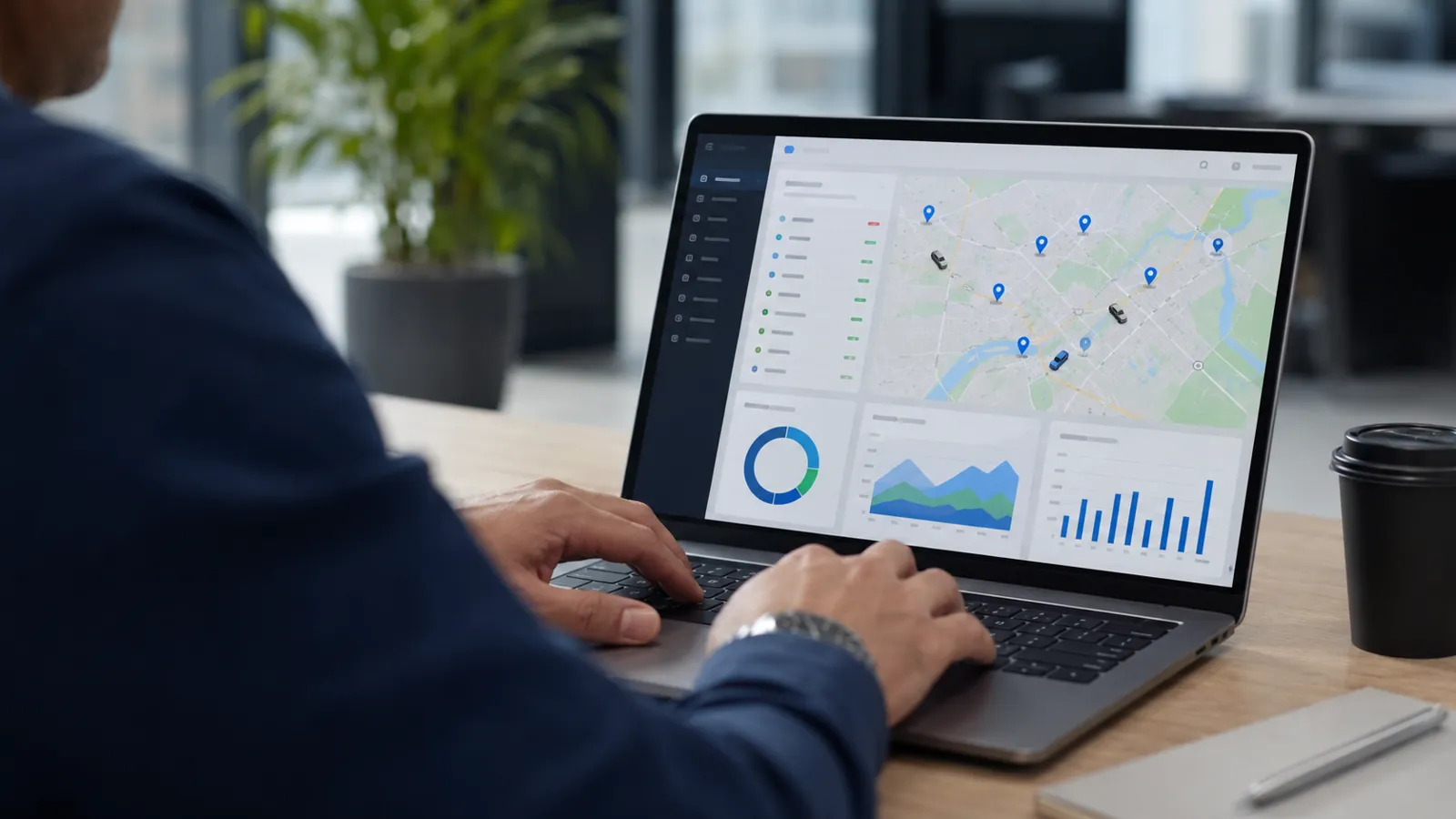
Telematics combines GPS positioning, cellular data transmission, and onboard diagnostics to give fleet operators a comprehensive picture of their vehicles — location, speed, fuel use, engine health, and driver behavior — all transmitted in real time.
Basic GPS tracking tells you where a vehicle is. Telematics tells you where it is and what's happening to it mechanically and operationally:
Understanding the data telematics generates helps you act on it:
Fleet operators use telematics for four primary purposes:
Many commercial insurers offer lower premiums for fleets with active telematics because the data allows you to exonerate drivers from false claims, demonstrates safe driving, and reduces accident frequency. Some insurers offer up to 15% premium discounts for verified telematics deployment.
Platforms like Geotab, GPS Insight, Samsara, and Motive offer full telematics with deep engine diagnostics. Simpler platforms like Rhino Fleet Tracking offer location and basic driver behavior at lower cost. Service-focused platforms like ServiceBridge include GPS and driver data as part of a broader field service management package.
Telematics is GPS plus vehicle intelligence. If you need more than just location — fuel efficiency data, maintenance alerts, driver safety scoring — you need a telematics platform rather than a basic GPS tracker. Take the quiz to find the right level of capability for your operation. Our fleet ROI and savings calculators show what that data is worth to your operation.
Take the quiz to find the right fleet software for your specific operation.
Popular best-of picks