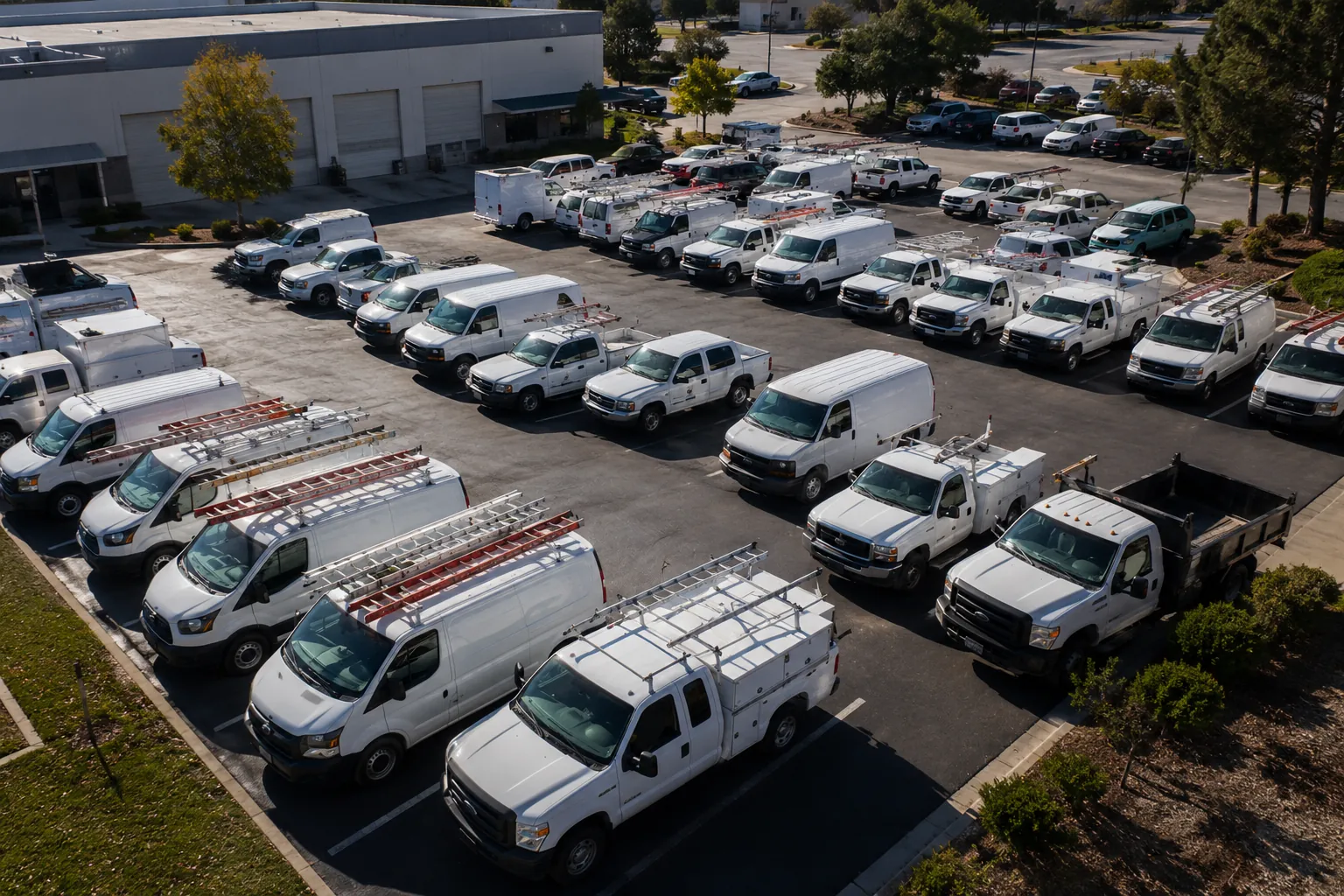
HVAC, plumbing, pest control, landscaping, electrical — these businesses all operate the same basic model: dispatch a technician to a customer location, do a job, and get paid. Field service software is built specifically to run this model efficiently at any scale. Smaller specialties work the same way, from cleaning and janitorial teams to pool service routes and franchise service businesses.
Many service business owners start by buying GPS tracking, expecting it to solve their operational problems. It helps, but GPS tracking tells you where your vehicles are — not what jobs are scheduled, what parts were used, whether customers were notified, or whether invoices were sent. That gap is where field service software comes in.
A good field service platform covers the entire job lifecycle:
Service businesses that switch from manual processes to field service software consistently report:
The best field service platforms include GPS tracking as a component of dispatch — not as an afterthought. When GPS is integrated with the job workflow, dispatchers can see which technician is closest to a new job and assign it immediately. Customer notifications can include live tracking links. Time-on-site tracking is automatic.
Prioritize these capabilities when evaluating options:
Field service software replaces the patchwork of spreadsheets, group texts, paper invoices, and manual follow-ups that most small service companies rely on. The ROI typically comes from faster invoicing, fewer missed jobs, and less time spent on administrative coordination. Take the quiz to find the right platform for your industry and team size. Trade examples include running a plumbing company on field service software.
Take the quiz to find the right fleet software for your specific operation.
Popular best-of picks