🧊 Hire through Track What Matters and process $10,000+ in payments to receive a free YETI Tundra 35 cooler — a $295 prize. Learn more →
Get My Fit →
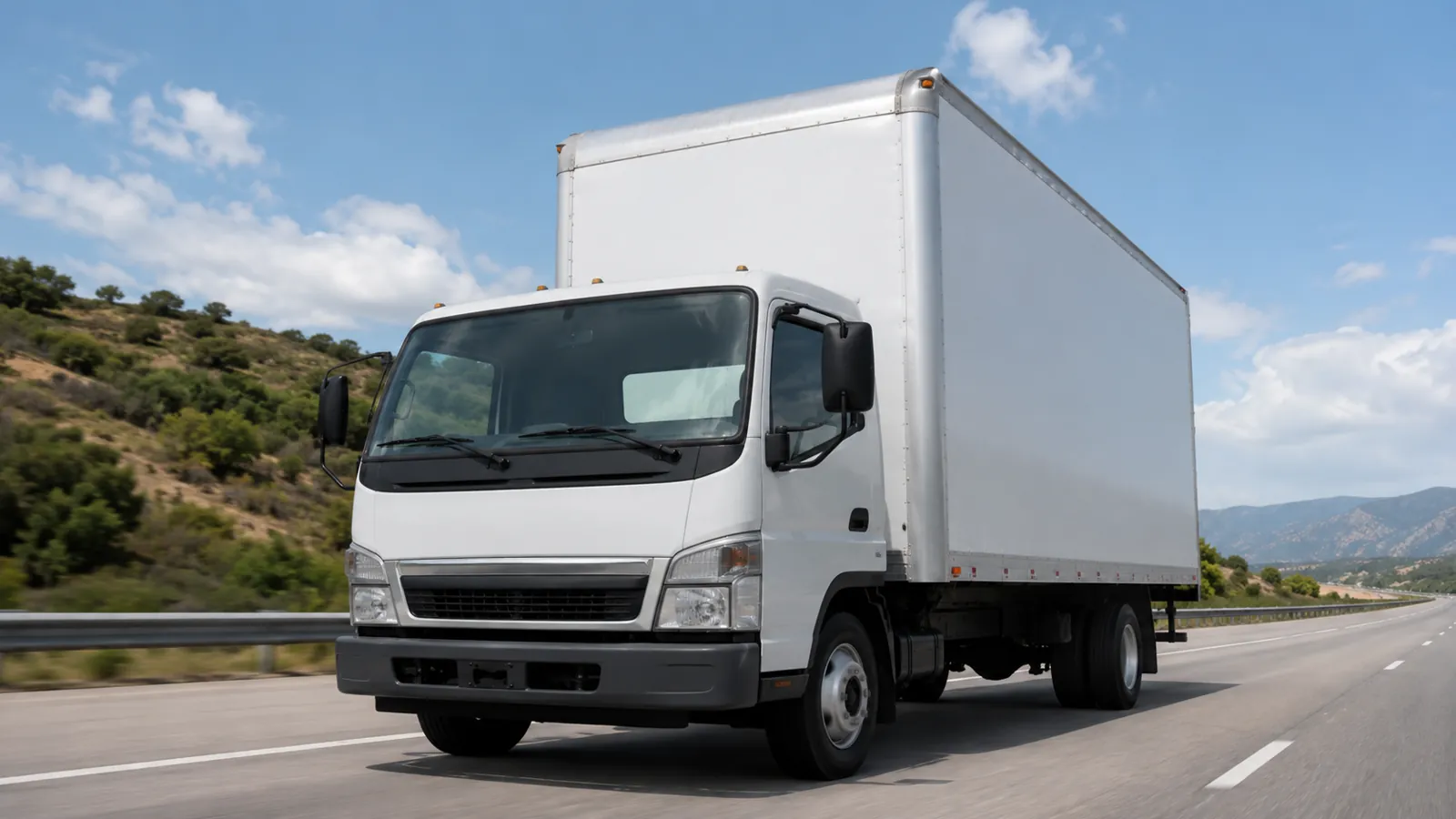
Commercial truck on the highway
Home ELD Compliance ELD Mandate Explained
ELD / Compliance

The ELD Mandate Explained

Who must comply with the FMCSA ELD mandate, what Hours of Service rules apply, what happens during inspections, and how to avoid costly violations.

Quick Answer

The ELD mandate requires most commercial drivers operating in interstate commerce to use a certified Electronic Logging Device that automatically records Hours of Service. Violations can result in penalties up to $16,000 per incident and out-of-service orders. The short-haul exemption covers most local service fleets (within 150 air miles, returning in 14 hours). See our top ELD picks →

1

What does the ELD mandate require?

The FMCSA ELD mandate (49 CFR Part 395) requires commercial motor vehicle drivers who must maintain Records of Duty Status (RODS) to use a certified Electronic Logging Device. An ELD must:
  • • Connect directly to the vehicle's engine control module (ECM) to automatically detect driving time
  • • Automatically record date, time, geographic location, engine hours, vehicle miles, and duty status
  • • Transfer logs wirelessly or via USB/Bluetooth to law enforcement during roadside inspections
  • • Display records on a screen accessible to the driver and inspectors
  • • Be registered and self-certified on the FMCSA's official ELD list
The mandate replaced paper logbooks and AOBRDs, both of which are no longer legally acceptable for drivers subject to HOS requirements.
2

Who is required to use an ELD?

ELDs are required for drivers operating CMVs in interstate commerce who are required to maintain RODS — primarily:
  • • Trucks and buses with a GVWR greater than 10,001 lbs
  • • Vehicles transporting hazardous materials in quantities requiring placarding
  • • Buses designed to transport 9 or more passengers for compensation
Key exemptions:
  • Short-haul exemption: Drivers who operate within 150 air miles of their normal work reporting location AND return within 14 consecutive hours
  • Timecard/short-haul (100 air miles): Drivers exempt from keeping RODS if operating within 100 air miles and satisfying specific conditions
  • Pre-2000 vehicles: Vehicles manufactured before model year 2000
  • Driveaway-towaway: Operations where the vehicle being driven is the actual commodity
  • 8-day rule: Drivers who do not exceed 8 days requiring RODS in any 30-day period
When in doubt, consult FMCSA.dot.gov or a transportation attorney for your specific operation.
3

What are Hours of Service (HOS) rules?

Hours of Service rules limit how long commercial drivers can operate before mandatory rest. The primary rules for property-carrying drivers:
  • 11-Hour Driving Limit: Maximum 11 hours of driving after 10 consecutive hours off duty
  • 14-Hour Limit: Cannot drive beyond the 14th hour after coming on duty, following 10 consecutive hours off
  • 30-Minute Break: Required after 8 cumulative hours of driving without a break of at least 30 minutes
  • 60/70-Hour Limit: Cannot drive after 60/70 hours on duty in 7/8 consecutive days
  • Sleeper Berth Provision: Allows split rest periods using a sleeper berth (8/2 or 7/3 split)
Your ELD platform automatically tracks these limits and alerts drivers when they approach violations — the primary compliance benefit over paper logs.
4

What happens during a roadside ELD inspection?

During a DOT roadside inspection, the officer will ask your driver to display ELD records for the current 24-hour period and the previous 7 consecutive days. The transfer can happen via:
  • Wireless transfer: Telematics or Bluetooth to the officer's tablet (most common)
  • USB/cable transfer: Physical data transfer to inspector device
  • Screen display: Driver shows records on the ELD screen directly
Train your drivers on using Inspection Mode before their first stop — every certified ELD has this feature. A driver who cannot display records correctly may receive a violation even if they are HOS-compliant.
5

What are the penalties for ELD non-compliance?

Penalties are significant:
  • Civil penalties: Up to $16,000 per violation for carriers
  • Out-of-service orders: Drivers placed out of service during inspections for HOS violations cannot continue driving until they accumulate required rest time
  • CSA scores: Violations accumulate in the FMCSA's CSA (Compliance, Safety, Accountability) scoring system, increasing audit risk and affecting carrier authority
  • DOT audits: Carriers with repeated violations trigger compliance reviews that can threaten operating authority
The operational cost of out-of-service violations — missed deliveries, driver downtime, customer penalties — often exceeds the direct fine.
6

How do you choose a compliant ELD platform?

Before selecting an ELD platform:
  • Verify FMCSA registration: Check the FMCSA registered ELD list at fmcsa.dot.gov before committing
  • Confirm ECM compatibility: Ensure the device supports your specific vehicle make, model year, and engine protocol
  • Evaluate the driver app: Drivers use the ELD daily — a poor app creates friction and increases the risk of compliance errors
  • Check IFTA reporting: Ask whether IFTA mileage is automatically calculated from GPS data
  • Understand support: Compliance questions arise at 11pm on a Friday. What is the vendor's support availability?
See our ranked ELD platform recommendations →

Common Questions

What vehicles are exempt from the ELD mandate?

Key exemptions: short-haul drivers (within 150 air miles, returning in 14 hours), vehicles manufactured before model year 2000, and driveaway-towaway operations. Most local service fleets — HVAC vans, landscaping trucks, delivery vehicles operating locally — qualify for the short-haul exemption.

What are the penalties for ELD violations?

Civil penalties up to $16,000 per violation. Drivers can be placed out of service for HOS violations. Multiple violations accumulate in FMCSA's CSA scoring system, increasing audit risk. The operational cost of out-of-service orders often exceeds the direct fine.

How do I verify my ELD is FMCSA certified?

Search the FMCSA's registered ELD list at fmcsa.dot.gov. Any device not on this list is not legally compliant. Ask your vendor to confirm their registration number and verify it against the FMCSA list before deployment.

Related Resources

Find the right ELD platform for your fleet

Get matched to a certified ELD platform based on your fleet size, vehicle types, and compliance requirements.